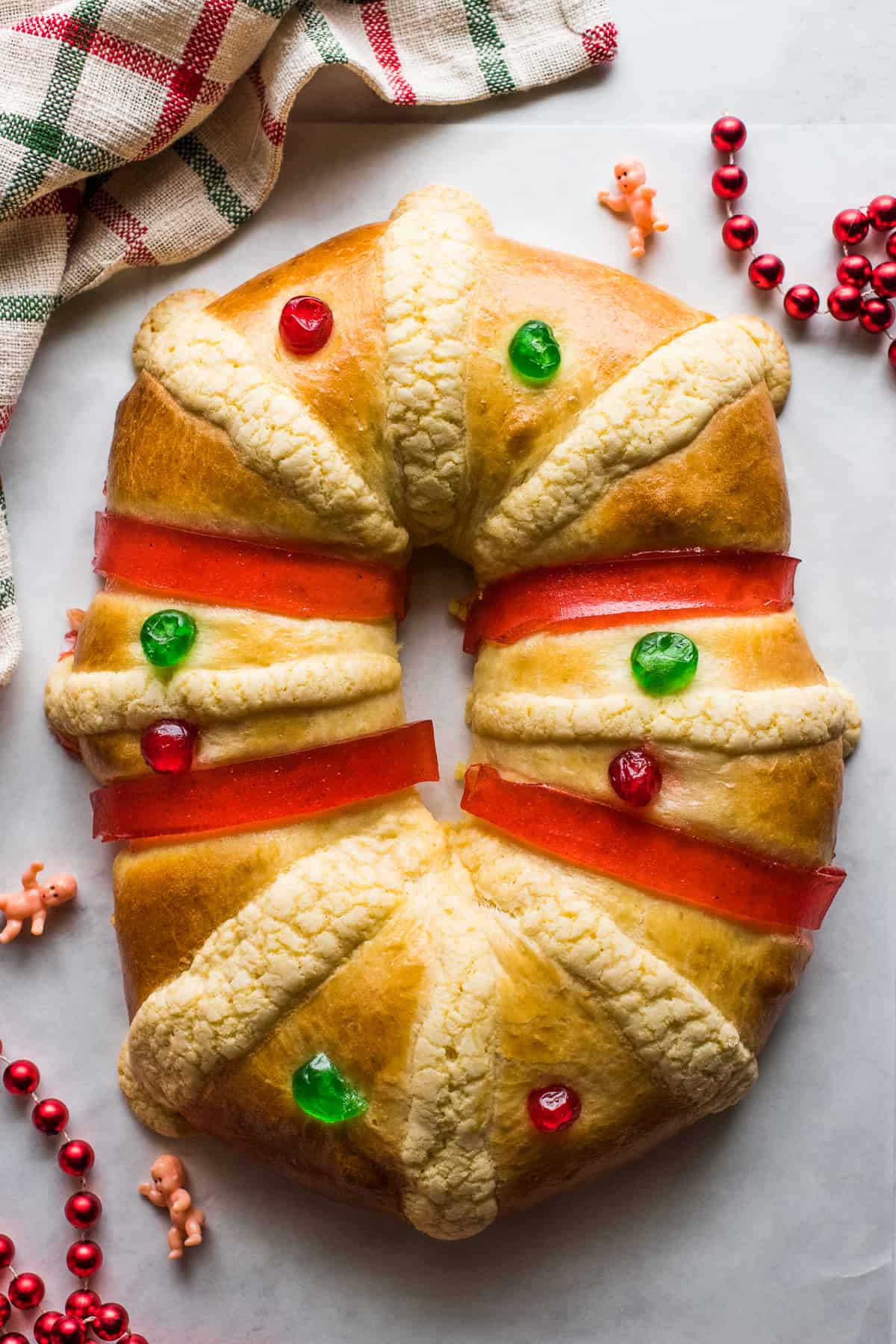
The Origin of Rosca de Reyes: From Ancient Europe to Modern Mexico
The Rosca de Reyes may feel unmistakably Mexican today, but its story begins far from Mexico—and long before it was crowned with candied fruit.
Ancient Roots: The Roman Connection
The earliest ancestor of the Rosca can be traced back to ancient Rome, during celebrations known as Saturnalia. These winter festivals, held around the solstice, featured round breads baked with hidden objects inside—often a bean or coin. Whoever found it was crowned “king for a day,” a playful inversion of social order meant to bring luck and joy during the darkest part of the year.
This idea of a shared bread with a hidden surprise would travel across Europe and evolve over centuries.
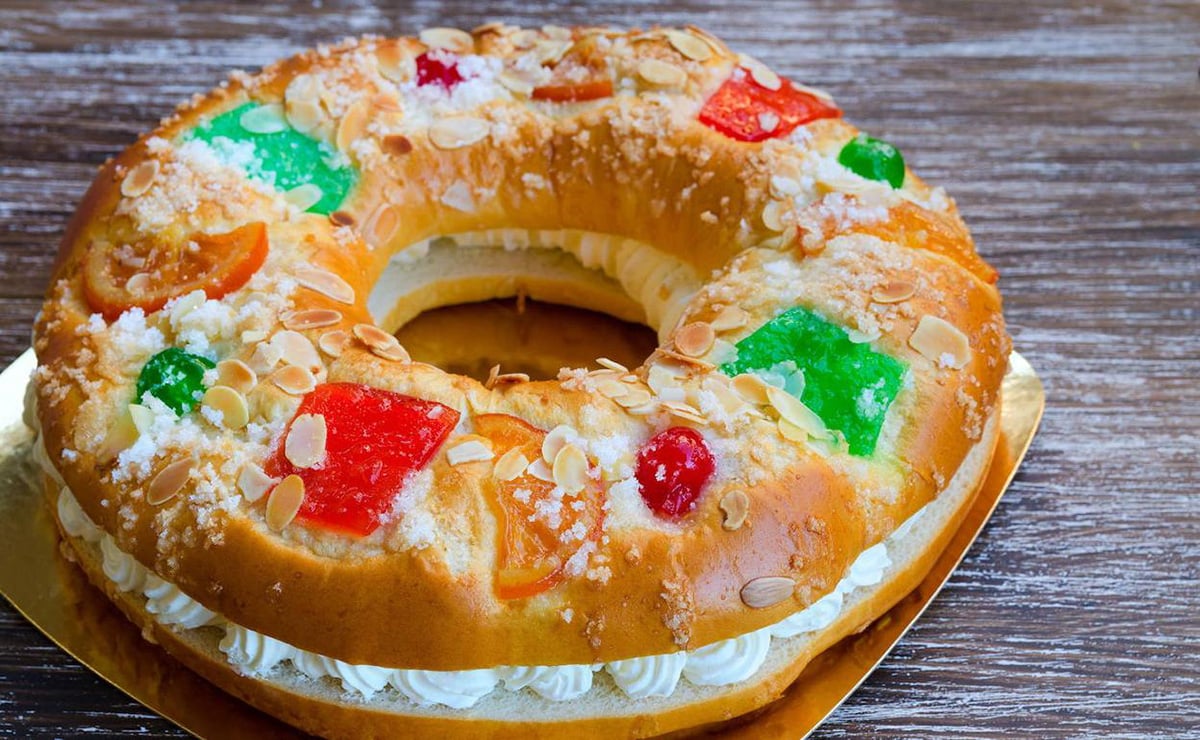
France & England: The King’s Cake Tradition
By the Middle Ages, the tradition had become associated with Epiphany (January 6), the Christian feast marking the visit of the Three Wise Men. In France, it became the Galette des Rois, while in England it evolved into King’s Cake, especially popular in medieval courts.
These cakes still carried the same symbolism:
A round shape representing unity and eternity
A hidden token determining the “king” or host of the next gathering
A communal ritual rooted in winter hospitality
The English King’s Cake tradition would later influence celebrations in places like Louisiana, but it was Spain that gave the Rosca its most recognizable form.
Spain: The Rosca Takes Shape
In Spain, the tradition became the Roscón de Reyes, a ring-shaped sweet bread decorated with candied fruits meant to symbolize the jewels of a crown. Over time, the hidden object shifted from a coin or bean to a small figurine—eventually representing the baby Jesus.
When Spain brought its customs to the Americas, the Roscón came with it.
Mexico: A Tradition Becomes Its Own
In Mexico, the Rosca de Reyes transformed from a religious observance into a deeply social tradition. The bread became fluffier, sweeter, and more generous in size—meant to be shared among families, friends, coworkers, and entire classrooms.
The figurine inside now carries a playful responsibility: whoever finds it hosts tamales on Candlemas (February 2). This connection ties the Rosca directly into Mexico’s broader culinary calendar, extending the holiday season well beyond December.
Today, the Rosca is less about belief and more about belonging:
Offices slice it together in January
Families gather one last time after the holidays
Friends joke about who will “lose” and host the tamales
Why the Rosca Still Matters
What makes the Rosca de Reyes special isn’t just its history—it’s how a tradition that passed through Rome, France, England, and Spain became something uniquely Mexican.
It’s a reminder that Mexican culture is layered, adaptive, and joyful. A European winter ritual turned into a celebration of community, food, and shared laughter—still evolving, still delicious, and still bringing people together every January.
In Mexico, the holidays don’t end abruptly. They fade slowly, with one last slice of bread, one last cup of hot chocolate, and one more reason to gather.